Intoduction to CE Mark Certification
Modern global market operations require organizations to achieve product safety, quality performance, and regulatory compliance as requirements to market their products in Europe and all over the world. Obtaining CE Certification fulfils European Union (EU) health and safety standards and environmental protection specifications as an important product quality assurance method. CE Certification is an official quality standard and compliance stamp that boosts international business opportunities for manufacturing companies dealing with electronic goods and building materials.
Meaning of CE Mark Certification
CE Mark Certification indicates that a product meets the essential health,
safety, and environmental requirements
defined by European Union directives. It is a legal requirement for certain
product categories that are to be sold
within the European Economic Area (EEA). CE stands for “Conformité
Européenne,” which translates to “European
Conformity.”
Obtaining CE Certification allows businesses to legally market and sell
their products in the European Union while
signalling product safety and quality compliance to consumers and
authorities.
What is CE Marking?
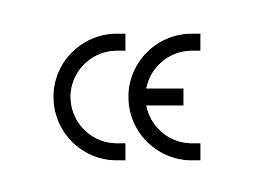
The visible placement of the CE mark on a product means that the product satisfies
all essential European Union (EU)
health, safety, and environmental requirements. CE Marking is an essential evidence
that demonstrates a manufacturer
performed all required EU directives to confirm product standards meet relevant
legal and technical conditions.
CE marking is more than a label because manufacturers use it to establish formal
declarations about their products
meeting EU requirements through this certification process. CE mark application
requires manufacturers to bear complete
accountability for product compliance with applicable legislation.
The CE Mark allows free market access, product distribution, and consumer use within
every European Union member state
without encountering extra administrative procedures or official authorization. The
European market access for
businesses requires CE Marking as their fundamental requirement.
Why Do You Need CE Certification?
If you plan to sell products in the European Economic Area (EEA), CE Certification is not optional, it’s mandatory for specific product categories. Here are some key reasons why CE Certification is essential for businesses:
- Products that are required to have CE Certification and do not have it cannot be legally sold, distributed, or marketed in the EU. Failing to comply can result in fines, product recalls, or even a ban on selling the product.
- The CE Mark reassures customers that your product is safe, reliable, and meets EU standards. This increased trust can lead to better brand reputation and customer loyalty.
- CE Certification allows for unrestricted movement and trade across all 27 EU member states, as well as in countries like Iceland, Norway, Liechtenstein, Turkey, and Switzerland.
- By complying with EU safety and quality regulations, you minimize the risks of product defects, customer complaints, penalties, and costly product recalls. This lowers your company’s liability and strengthens your compliance framework.
Benefits of CE Mark Certification
CE Certification provides several key benefits for manufacturers, importers, and consumers. By meeting the European Union’s strict standards, businesses can enhance their market reach and build trust with customers. Here are some of the significant advantages:
- CE Marking is not limited to the European Union; it is also recognized in countries such as Turkey, Iceland, Norway, and Switzerland. This means that CE Certified products can enter these markets without additional regulatory approvals, helping businesses expand globally.
- Having the CE Certification boosts a company’s reputation by signaling that its products meet high safety, health, and environmental standards. This improves customer confidence and sets the business apart from competitors selling uncertified products.
- CE Certification eliminates the need for additional testing, inspections, or certifications when selling products across EU member states. This saves time, reduces costs, and makes the trade process more efficient.
- Products with CE Marking often gain a competitive edge because consumers and distributors view them as safer, more reliable, and compliant with international standards. This can lead to increased sales and stronger market positioning.